
Planning a trip to Gnathang Valley sounds simple at first, right? You see a few snow photos online, hear people calling it the Ladakh of Sikkim, and think okay, let’s go. Just book a stay, get a car, and that’s it. But once you actually start planning, you realise it’s not that easy.
The place is very high, the weather changes fast, and it’s close to the border. You can’t just decide one day and go the next. Permits are needed. Roads depend a lot on weather. Even mobile network doesn’t always work. So before getting too excited, it makes sense to understand what Gnathang Valley is really like.
Gnathang Valley, also called Nathang Valley, is a high altitude village in East Sikkim, around 13,500 feet above sea level. It’s not a typical tourist spot with markets, cafes, and sightseeing points everywhere. It’s more about open land, cold wind, silence, and snow for most of the year. Some people love this kind of place. Some don’t.
So the real question is, is Gnathang Valley worth visiting for you? Or will it feel too cold, too empty, and too difficult? This blog tries to answer that honestly, without over-promising anything.
Where Is Gnathang Valley Located?
Gnathang Valley is in East Sikkim, close to the Indo-China border. It lies on the old Silk Route and is usually covered along with places like Zuluk and Kupup. Because of this border location, it is a protected area.
You can’t travel here freely like Darjeeling or Gangtok. Permits are compulsory, and most travellers go through registered travel agencies. Without proper planning, the trip can quickly become stressful.
Why Do People Want to Visit Gnathang Valley?
People visit Gnathang Valley for a very different experience compared to places like Gangtok or Pelling.
High Altitude Landscape
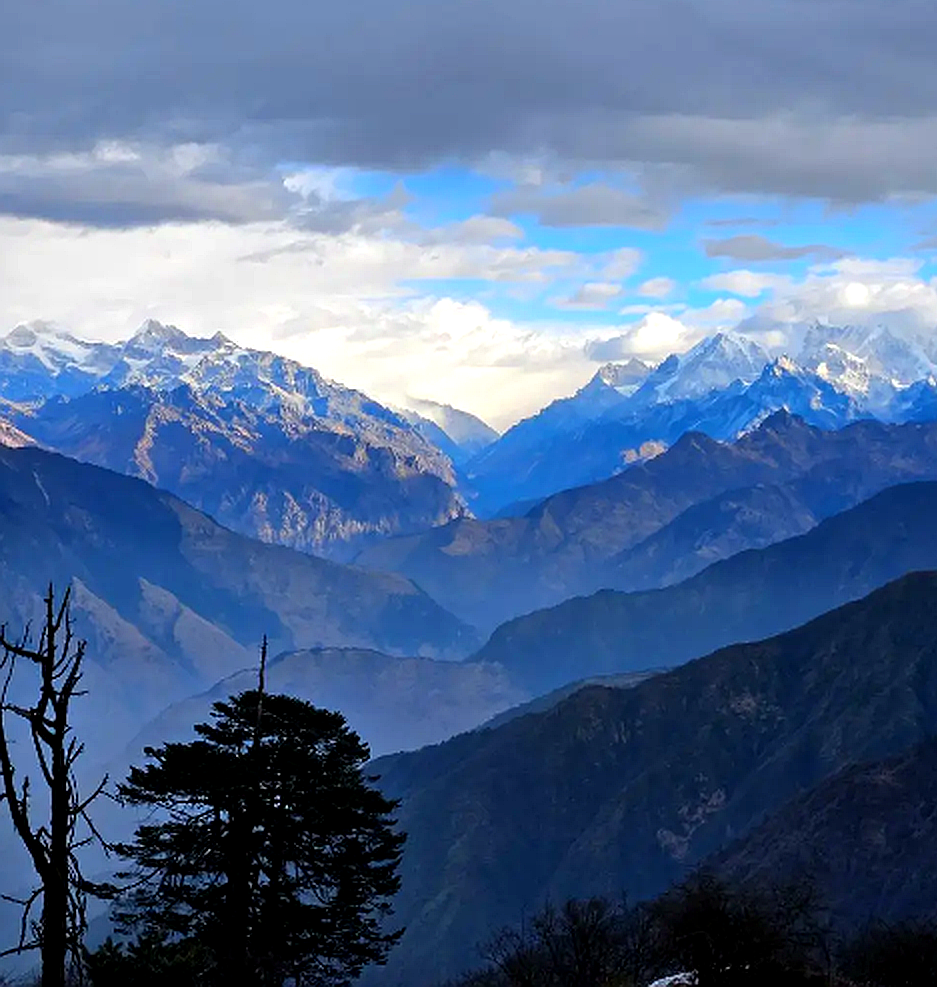
The land here is wide and open. There are very few trees and houses. In winter, the valley is fully covered with snow. The mountains look raw and untouched. It feels
quiet and far away from city life.
Silk Route History
Gnathang Valley was once an important stop on the ancient Silk Route. Traders from India and Tibet passed through this area with goods like wool and salt. Even today, the place feels historical and old
Snow Experience
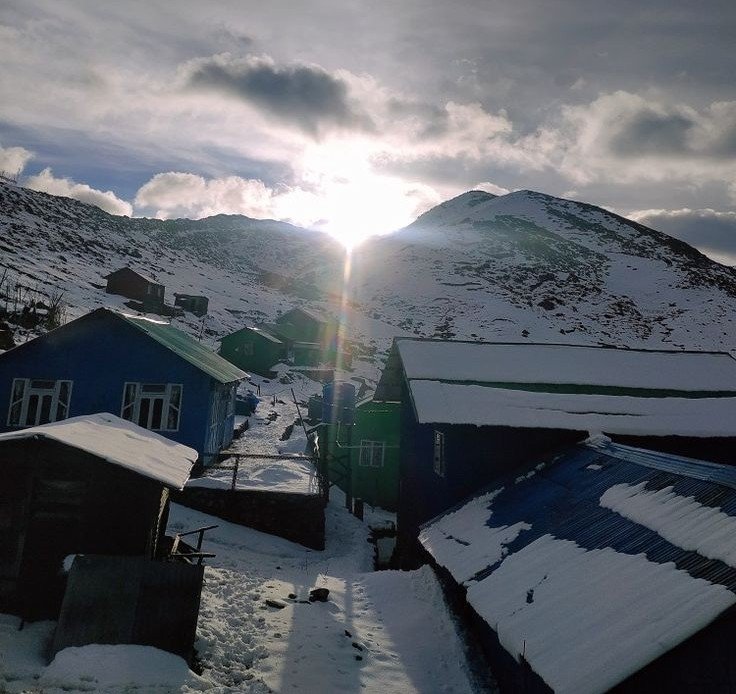
Gnathang Valley gets snowfall for most of the year. Even in months when other parts of Sikkim have no snow, Gnathang can surprise visitors. This is one big reason tourists want to visit Gnathang Valley.
The Reality of Visiting Gnathang Valley
This part is very important and often not talked about.
Gnathang Valley is not easy to visit.
High Altitude Problems
At 13,500 feet, oxygen levels are low. Some people feel
- Headache
- Breathlessness
- Nausea
- Extreme tiredness
This can happen even to healthy people. Children, elderly people, and those with heart or breathing problems should be very careful.
Very Cold Nights
Even in summer, nights are freezing. Temperatures can drop suddenly. Heating facilities are limited.
Gnathang Valley is not a comfort destination. It is an experience destination.
Weather Conditions You Should Know
The weather in Gnathang Valley changes quickly.
Winter December to February
- Heavy snowfall
- Very cold temperatures
- Roads may close
- Not suitable for everyone
- Spring March to May
- Cold but manageable
- Some snow still present
- Better road conditions
Monsoon June to August
- Landslide risk
- Fog and poor visibility
- Travel is risky
Autumn September to November
- Clear skies
- Best views
- Most stable season
The best time for most travellers is spring and autumn.
Accommodation Reality in Gnathang Valley
There are no luxury hotels in Gnathang Valley.
You can find places to stay at almost every village as they provide homestays and guesthouses with modern itineraries and home cooked meals, although network issues will persist. The vegetarian option is also available.
Permit Requirement
Gnathang Valley is close to the international border. Because of this, permits are compulsory. Permits are issued only through registered Sikkim travel agencies. You must carry valid ID proof. Solo travel without permit is not allowed
Who Should Visit Gnathang Valley?
Gnathang Valley is worth visiting if you
- Love raw mountain landscapes
- Want a quiet and less crowded place
- Are comfortable with cold weather
- Are interested in Silk Route history
- Can adjust to basic facilities
Who Should Avoid Gnathang Valley?
You should avoid Gnathang Valley if you
- Want luxury hotels
- Are travelling with very small children
- Have serious health issues
- Cannot tolerate extreme cold
- Have very limited time
What Can You See In and Around Gnathang Valley?
Gnathang Valley is not a place where you go from one spot to another. There are no big tourist points. Mostly, you are just on the road, looking outside, feeling the cold, and stopping wherever the car stops.
Gnathang Valley Village
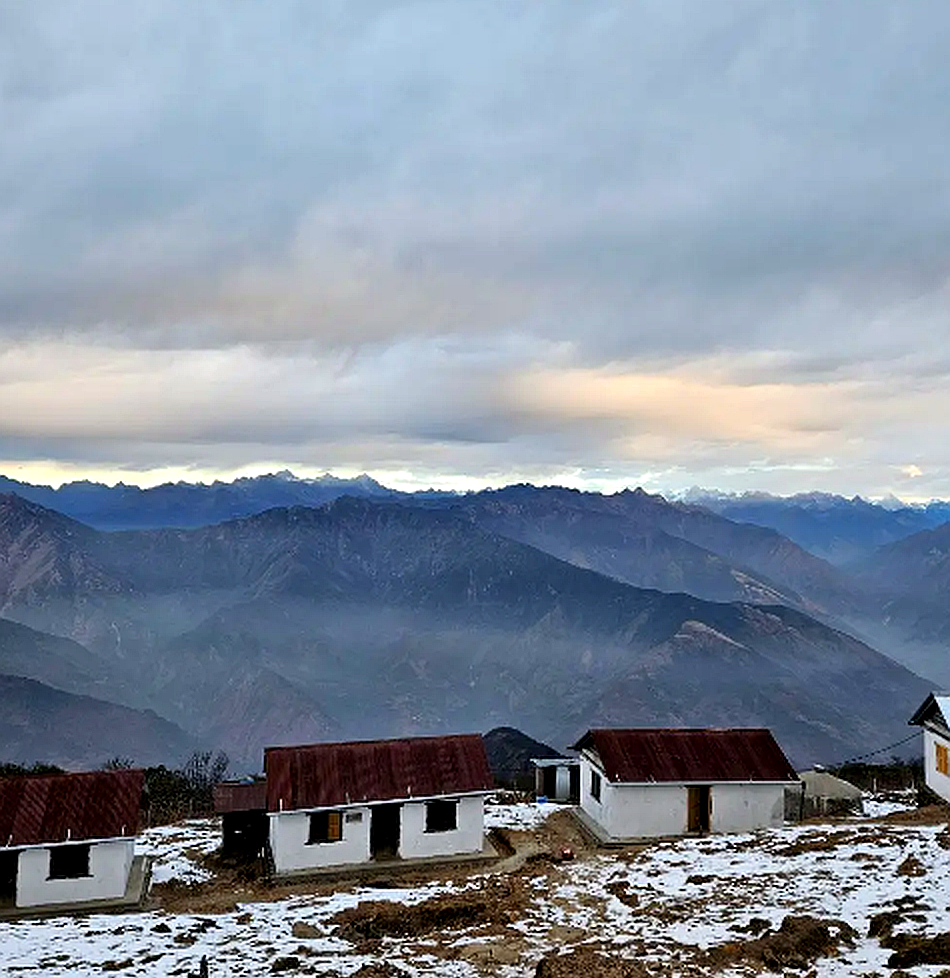
The village is very small. You will see a few houses and homestays, nothing more. The land around is open and empty, with mountains in every direction.
In winter, everything turns white because of snow. During the day, it feels very quiet. At night, it becomes extremely cold. There are no shops, no noise, no street lights. Staying here feels peaceful, but also a bit uncomfortable because of the cold and height.
Old Baba Mandir
Old Baba Mandir comes on the way. Most people stop for a short time.
It is connected to the army, and you can feel that this area is important. The place is usually windy and cold. People offer prayers and move on. There is nothing much to see, but many still stop here.
Elephant Lake
Elephant Lake, also called Kupup Lake, is one of the highest lakes in Sikkim. From a distance, its shape looks like an elephant, which is how it got its name. The lake is surrounded by open land and hills.
Most visitors stop here for a short time, mainly for photos. The air feels very cold, even in summer. There are no shops or benches, so you usually don’t stay long. Still, the silence and clean surroundings make it a memorable stop.
Nathang Valley View Point
This viewpoint gives a wide view of the valley and the surrounding mountains. On clear days, the view looks endless, with brown land, white snow, and distant peaks.
But the weather decides everything here. Sometimes it’s clear, sometimes it’s fully covered in fog. If you’re lucky, this place becomes one of the best photo stops of the trip.
Pangolakha Wildlife Sanctuary
Pangolakha Wildlife Sanctuary comes along the Silk Route journey and feels very different from Gnathang’s open land. This area has more trees, forest, and greenery.
You may not see animals easily, but the road itself feels peaceful. Mist, tall trees, and quiet surroundings make this stretch calming. It feels like a slow drive where you just sit and look outside without rushing.
Menmecho Lake
Menmecho Lake is not always open. Sometimes the road is closed.
The area is more green compared to Gnathang. Trees surround the lake, and many times it is covered in fog. Very few people come here. It feels quiet and cut off.
Thambi View Point
Thambi View Point is meant for sunrise.
If the weather is clear, the mountains look nice when the sun comes up. Many times, there is only fog, and you see nothing. It is very cold, so people do not stay for long.
Zuluk Loops
Zuluk Loops are the curved roads you see while travelling.
From certain points, you can see many turns below. Sometimes fog covers everything. It is not a stop as such, just part of the drive.
Gnathang Valley is worth visiting, but not for everyone. It is perfect for travellers who want something different from usual hill stations. It offers raw beauty, silence, snow, and history. But it also demands preparation, patience, and physical strength.
If you go with the right expectations and proper planning, Gnathang Valley can be one of the most memorable places in Sikkim.
Because of high altitude, permits, and weather conditions, Gnathang Valley is best visited with experienced local travel planners who understand Silk Route travel well.